Reducing Wildfire Risks: Defensible Space Strategies
Wildfires pose a significant threat to communities, ecosystems, and wildlife. With climate change intensifying these risks, it is crucial for homeowners, especially those in fire-prone areas, to take proactive measures. One of the most effective ways to protect your property is by creating a defensible space around your home. This blog post will explore practical strategies for establishing defensible space, reducing wildfire risks, and ultimately safeguarding your home and family.
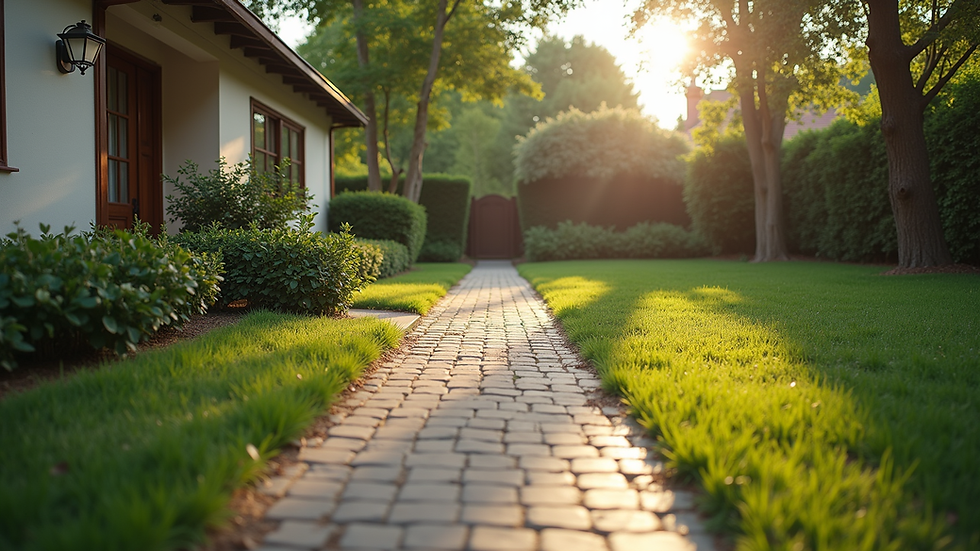
Understanding Defensible Space
Defensible space refers to the area around a structure that has been modified to reduce the risk of wildfire damage. This space acts as a buffer between your home and the surrounding vegetation, helping to slow or stop the spread of fire. The National Fire Protection Association (NFPA) recommends creating a defensible space that extends at least 30 feet from your home, but this distance may vary based on local regulations and the type of vegetation present.
The Importance of Defensible Space
Creating a defensible space is essential for several reasons:
Fire Prevention: A well-maintained defensible space can significantly reduce the likelihood of a fire reaching your home.
Emergency Response: Firefighters need access to your property to defend it effectively. A clear defensible space allows for easier access during emergencies.
Insurance Benefits: Many insurance companies offer discounts for homes with defensible space, recognizing the reduced risk of fire damage.
Key Strategies for Creating Defensible Space
1. Assess Your Property
Before making any changes, conduct a thorough assessment of your property. Identify areas with dense vegetation, dead trees, or other fire hazards. Consider the following:
Vegetation Type: Different plants have varying flammability. Identify high-risk plants and consider replacing them with fire-resistant alternatives.
Topography: Fire spreads faster uphill. If your home is located on a slope, you may need to create a larger defensible space.
2. Create Zones of Defensible Space
The NFPA recommends dividing your defensible space into three zones, each with specific guidelines:
Zone 1: Immediate Zone (0-5 feet from the home)
Remove all flammable materials: This includes leaves, mulch, and firewood.
Use non-combustible materials: Consider using stone, brick, or concrete for patios and walkways.
Maintain vegetation: Keep plants trimmed and spaced apart to reduce fire risk.
Zone 2: Intermediate Zone (5-30 feet from the home)
Create a buffer: Use fire-resistant plants and trees that are spaced to prevent fire from spreading.
Prune trees: Remove lower branches and ensure that trees are at least 10 feet apart.
Maintain a green lawn: A well-watered lawn can act as a firebreak.
Zone 3: Extended Zone (30-100 feet from the home)
Manage vegetation: Thin out dense areas and remove dead or dying trees.
Create defensible space: Use fire-resistant landscaping techniques, such as grouping plants by their water needs.
Clear debris: Regularly remove leaves, branches, and other flammable materials.
3. Maintain Your Defensible Space
Creating defensible space is not a one-time task; it requires ongoing maintenance. Regularly inspect your property for new fire hazards and take action as needed. Here are some maintenance tips:
Seasonal Clean-up: During the fall, remove leaves and debris from your yard and gutters.
Pruning: Regularly prune trees and shrubs to maintain their health and reduce fire risk.
Watering: Keep your lawn and plants well-watered, especially during dry seasons.
4. Use Fire-Resistant Landscaping
Incorporating fire-resistant plants into your landscaping can significantly reduce fire risk. Consider the following:
Choose native plants: Native plants are often more resilient to local conditions and require less water.
Group plants wisely: Place fire-resistant plants near your home and more flammable plants further away.
Create hardscapes: Use non-flammable materials like gravel, stone, or concrete in your landscaping design.
5. Install Fire-Resistant Features
In addition to landscaping, consider installing fire-resistant features around your home:
Fire-resistant roofing: Choose materials like metal, tile, or asphalt shingles rated for fire resistance.
Non-combustible siding: Use materials such as stucco, brick, or fiber-cement siding.
Screen vents and openings: Install metal mesh screens on vents, eaves, and other openings to prevent embers from entering.
Community Involvement and Resources
Creating defensible space is not just an individual effort; community involvement is crucial. Here are some ways to engage with your community:
Participate in local fire prevention programs: Many communities offer resources and workshops on wildfire preparedness.
Join neighborhood clean-up days: Collaborate with neighbors to clear debris and create defensible space together.
Advocate for local regulations: Support policies that promote fire-safe landscaping and building practices.
Resources for Homeowners
Several organizations provide valuable resources for homeowners looking to reduce wildfire risks:
National Fire Protection Association (NFPA): Offers guidelines and resources for creating defensible space.
U.S. Forest Service: Provides information on fire-resistant landscaping and wildfire prevention.
Local fire departments: Many local fire departments offer free assessments and advice on creating defensible space.
Conclusion
Reducing wildfire risks through defensible space strategies is a proactive approach that can protect your home and community. By assessing your property, creating well-defined zones, maintaining your landscape, and involving your community, you can significantly decrease the likelihood of wildfire damage. Remember, the time to act is now. Start implementing these strategies today to ensure a safer tomorrow for you and your loved ones.
Take the first step by assessing your property and identifying areas for improvement. Together, we can make our homes and communities more resilient against the threat of wildfires.


Comments